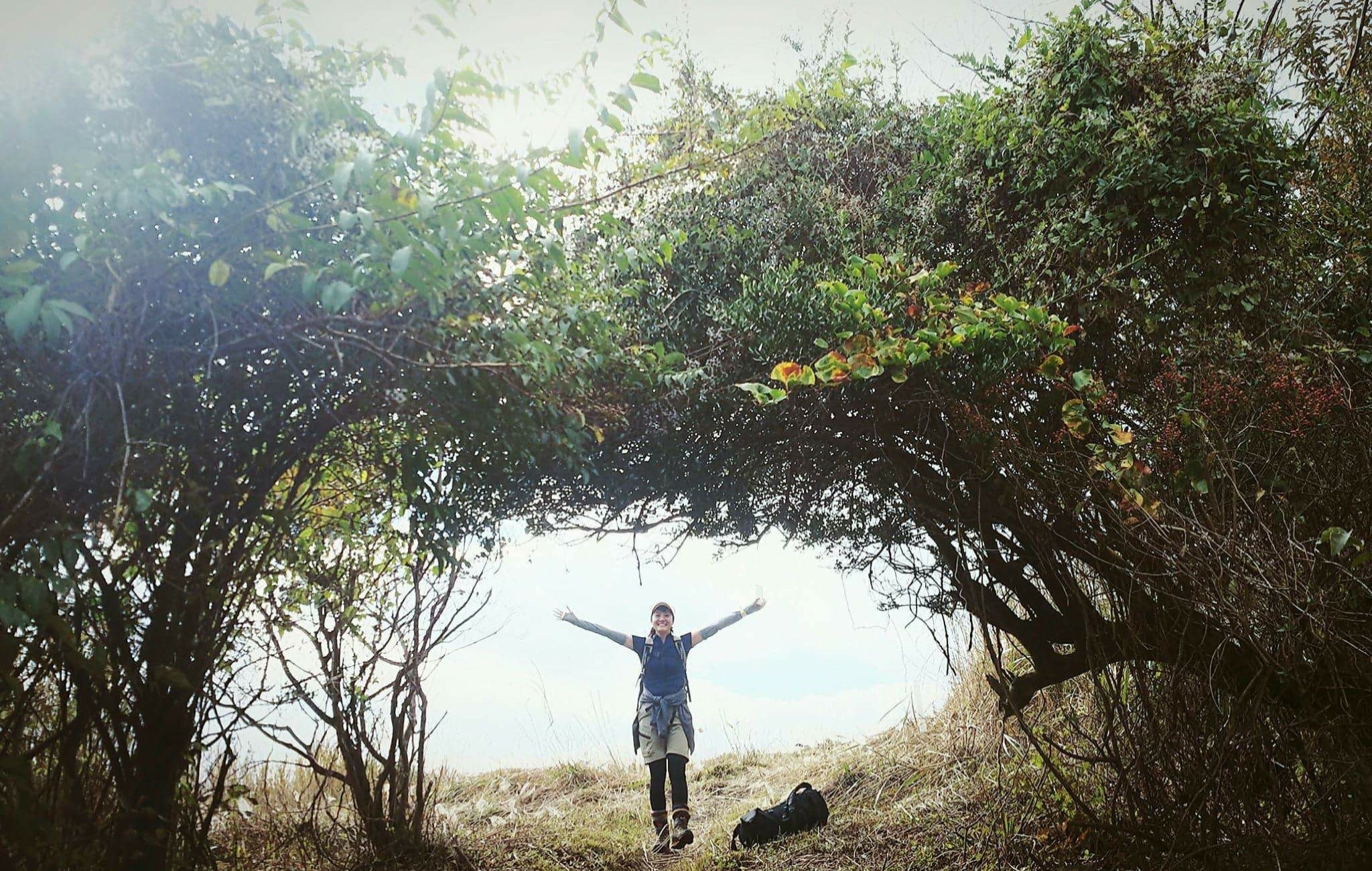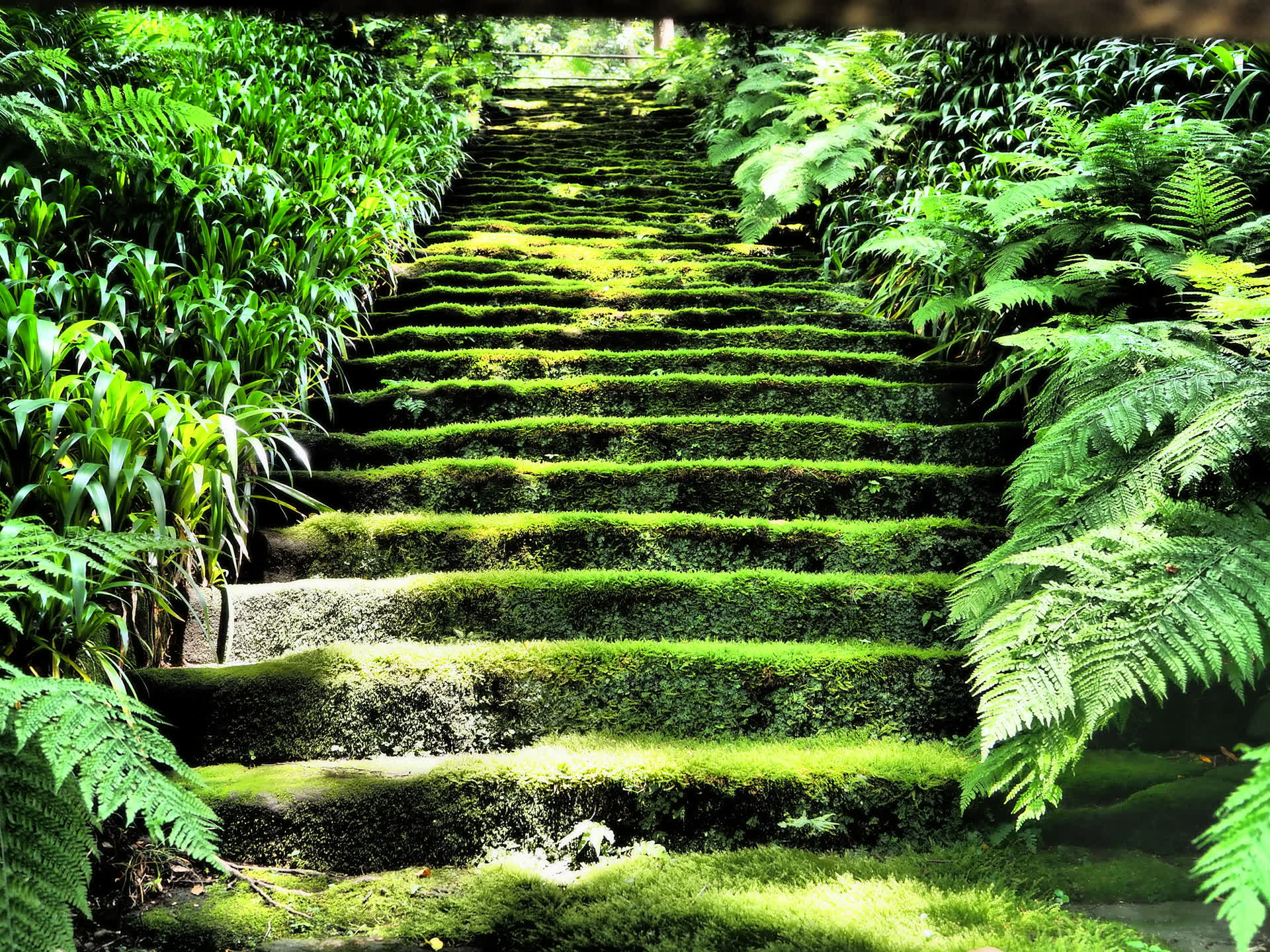
Small-group walks through the temples and Buddhist images of Kamakura, guided in English
The journey that
becomes
your own
For travelers drawn to Buddhism, Asian art and Japanese history who want more than the surface
A line, not a series of dots.
We don't hop between photo spots. We follow a single thread — one way of seeing — that connects several places into one line. At each stop we look closely at a single detail and unfold the thinking behind it, so that by the end you don't just know the history; you feel it.
These are private and small-group walks, guided in English, for travelers drawn to Buddhism, Asian art, and Japanese history who want more than the surface.
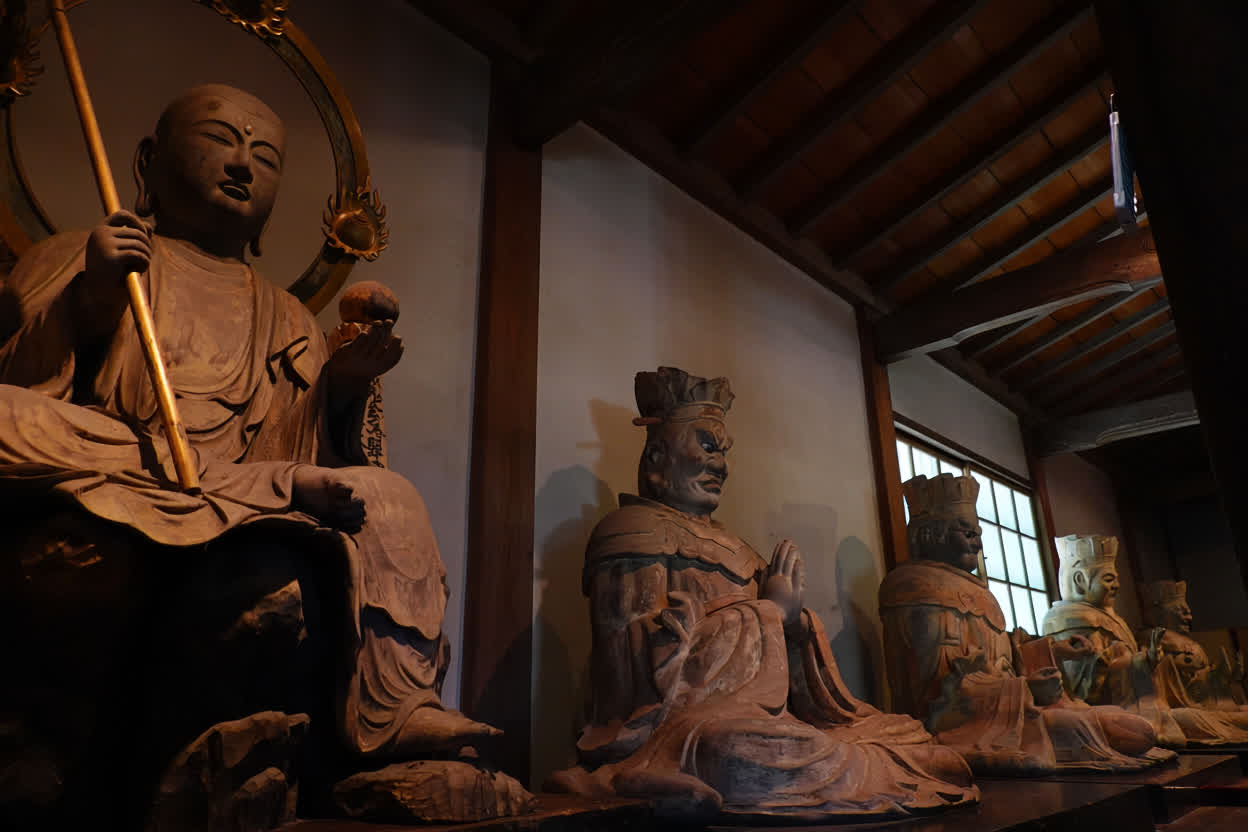
Ten Kings — Death, Judgment, and the Hope of Salvation
In most of the world, the soul is judged after death once. In Japanese Buddhism, it is judged ten times. Beginning from a single question — why ten? — this walk moves through the Buddhist images of early-Kamakura belief and draws out a theme that crosses every culture: the fear of death, and the longing to be saved.
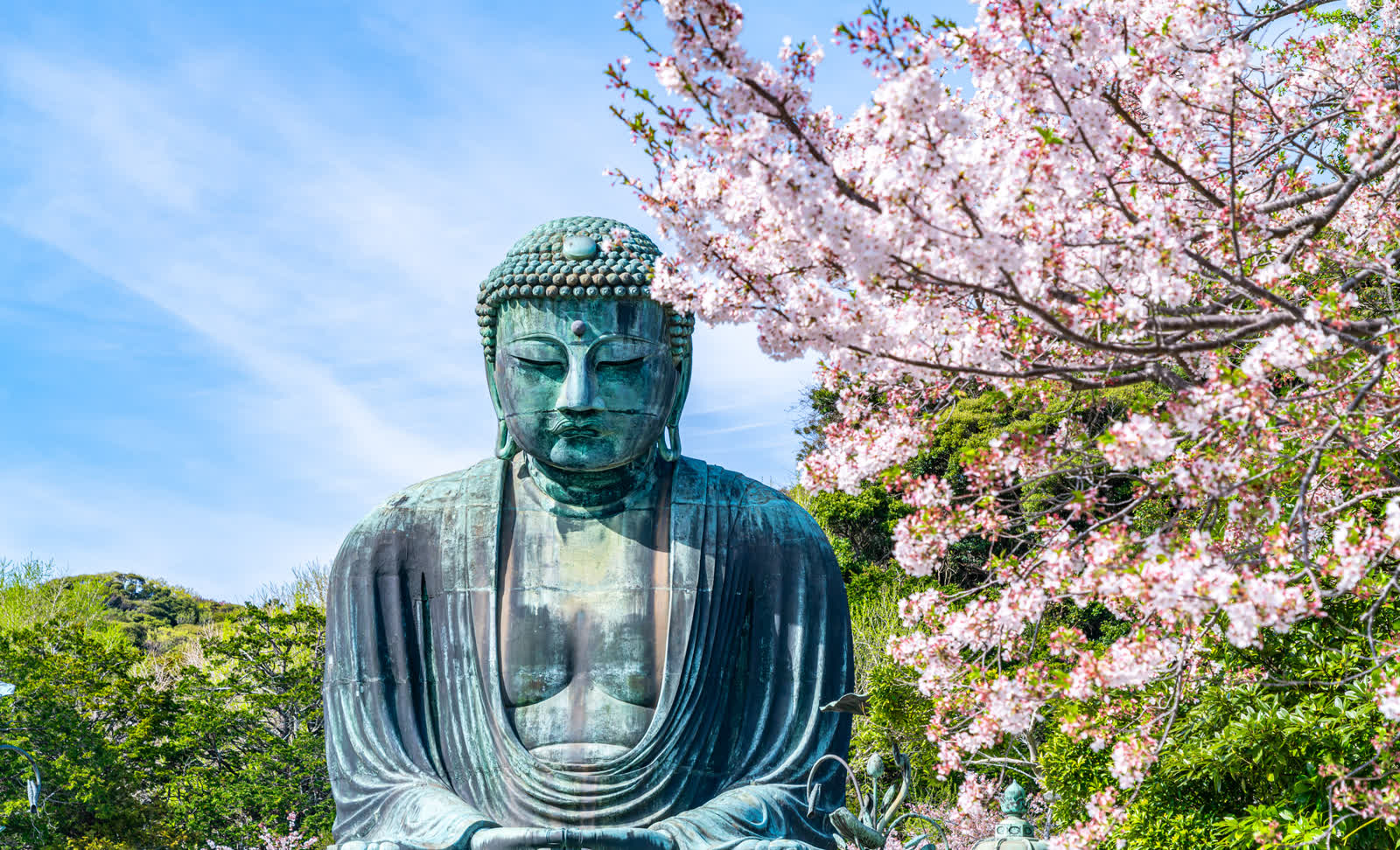
Understanding that fear changes what you see. By the time you stand before the Great Buddha, it is no longer merely "big" — it becomes what it once was: a figure that ordinary people, afraid of hell, looked up to in earnest hope.
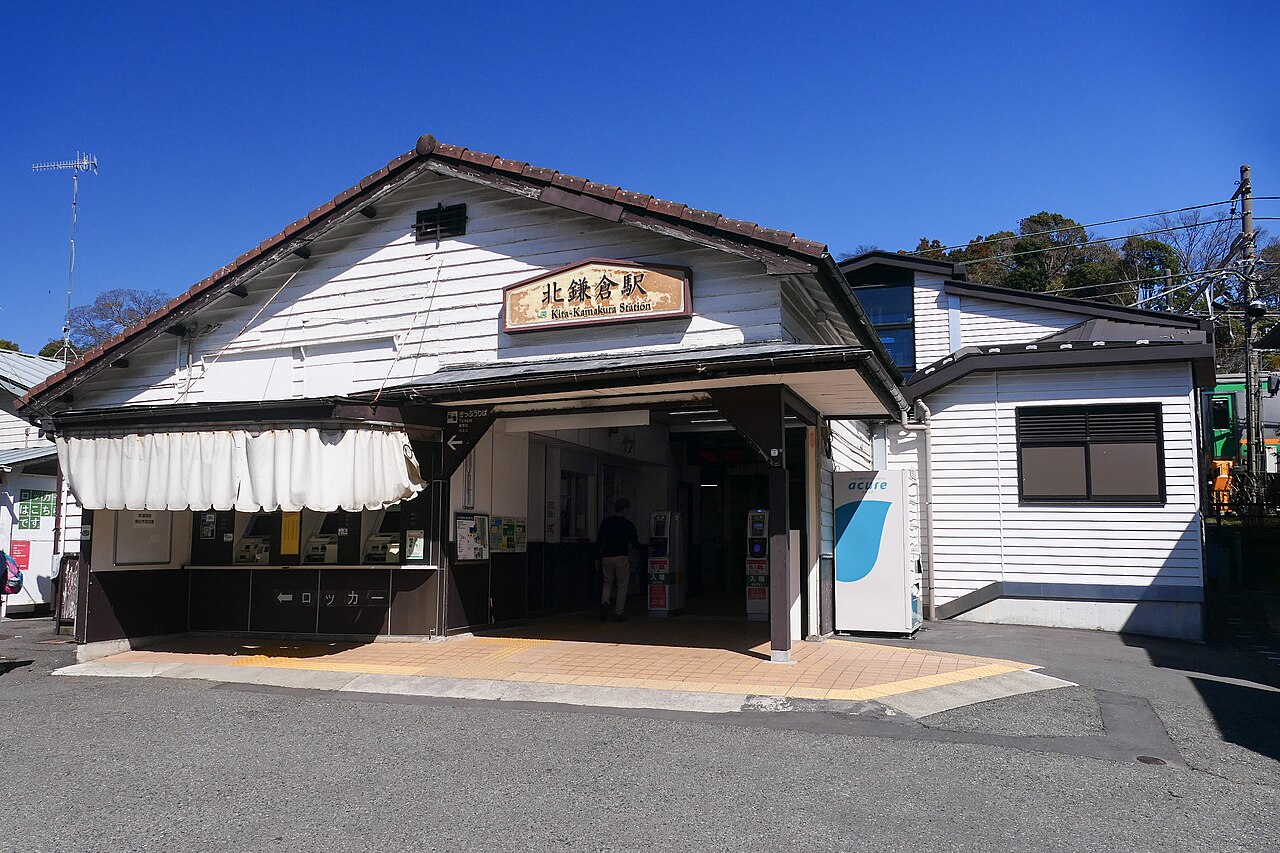
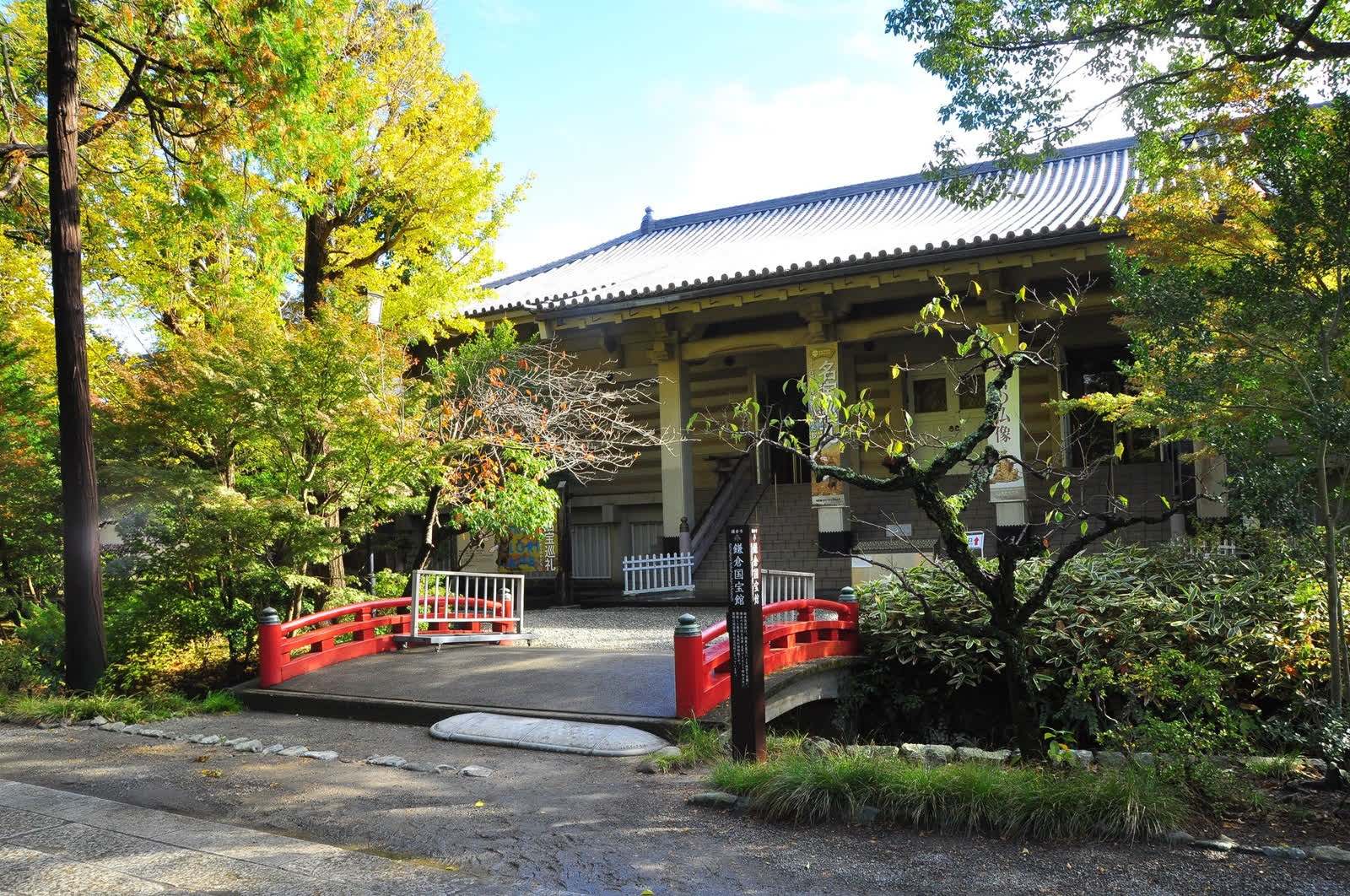
Three places, one thread
The day stays with you
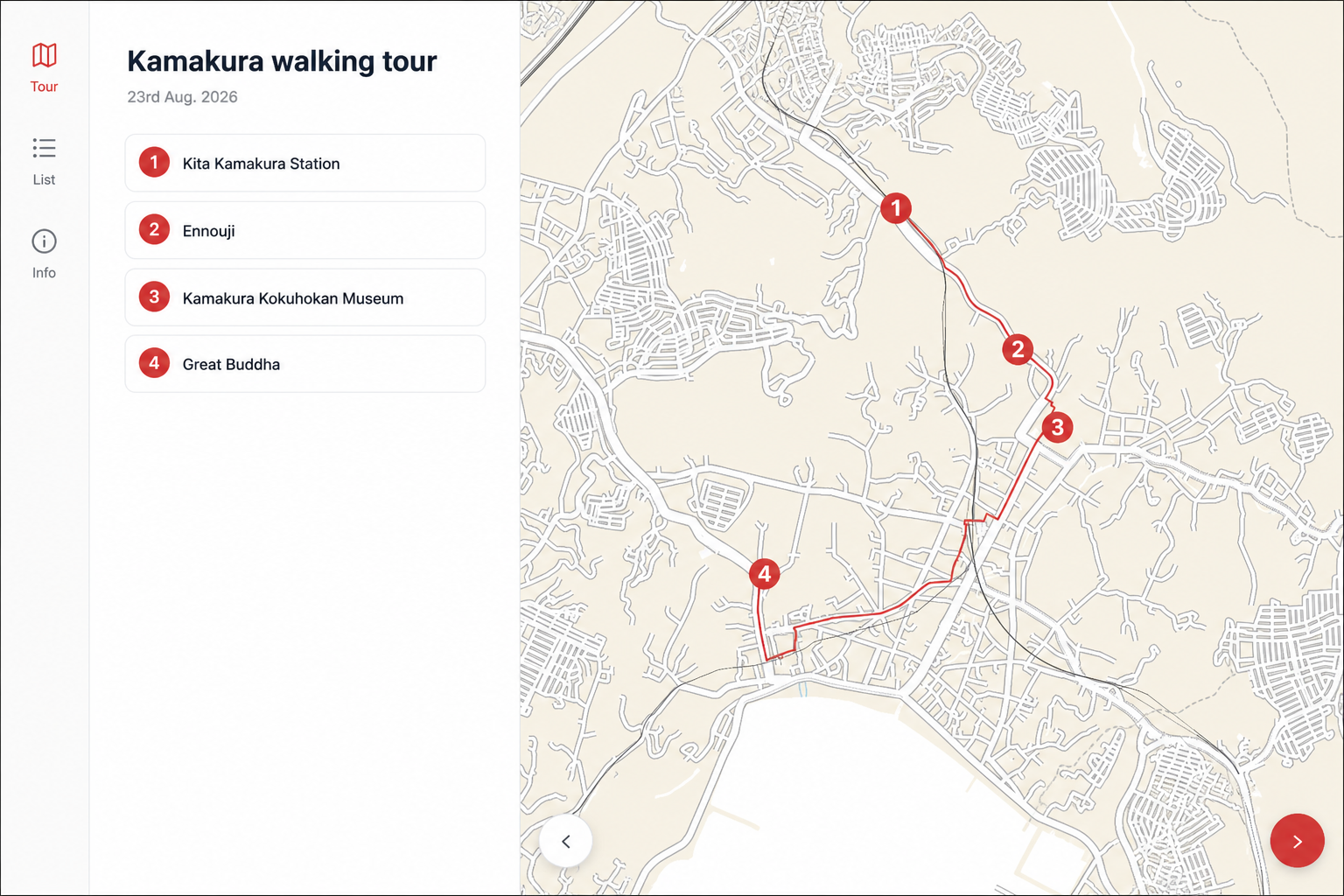
After the walk, we create a personal web page just for you — the route you actually walked, a map, and notes on each place you visited — delivered by QR code. Long after you leave Kamakura, the journey remains something you can return to.
Plan your walk